Wearables & Fitness · Buying guide
A nurse finishing a run of night shifts has a sleep problem no single change will fix: their body clock is fighting their rota, and the only things they can control are the environment and the routine around sleep. They buy a sleep tracker hoping the data will tell them what to do. Three months later the data is interesting and their sleep has not changed — because the device was never the part that was going to change it.
That is not an argument against sleep trackers. It is an argument for buying one with clear eyes about what it measures, what it costs over time, and what it can and cannot do.
The subscription is the real cost
The headline on a sleep tracker is the hardware. The number that matters over three years is the subscription. Two of the four devices here are built around a recurring membership, and for those the hardware is deliberately cheap because the money is made monthly.
Before you buy anything, work out the total: the device plus the membership multiplied by the years you expect to keep it. That is the honest comparison, and it often reorders the shortlist completely.
A rule of thumb: if a sleep tracker’s most useful features sit behind a monthly fee, treat the fee as part of the purchase price. If you would not pay the three-year total up front, the device is more expensive than it looks.
What the published specifications actually measure
This is where the category needs the most care, and where the marketing is least helpful.
Based on published specifications, these devices use optical sensors at the wrist or finger to estimate heart rate and heart-rate variability, and a temperature sensor to track changes in skin temperature. From those signals, the software estimates sleep and wake periods and presents a summary score.
What that means in plain terms:
- The sensors measure signals, and the sleep stages and scores are estimates derived from those signals, not direct measurements of sleep.
- The data is intended for personal awareness — spotting patterns in your own routine — and is not a medical device. It does not diagnose, treat, prevent or detect any condition, and it is not a substitute for advice from a clinician.
- A tracker can tell you that your sleep varied between two nights. It cannot tell you why, and it cannot tell you what to do about a persistent problem.
Anyone who tells you a wrist or finger sensor gives you a clinical picture is overselling it. What these devices are good at is showing you a trend over weeks, in a form you will actually look at.
A ring is more comfortable overnight than a watch
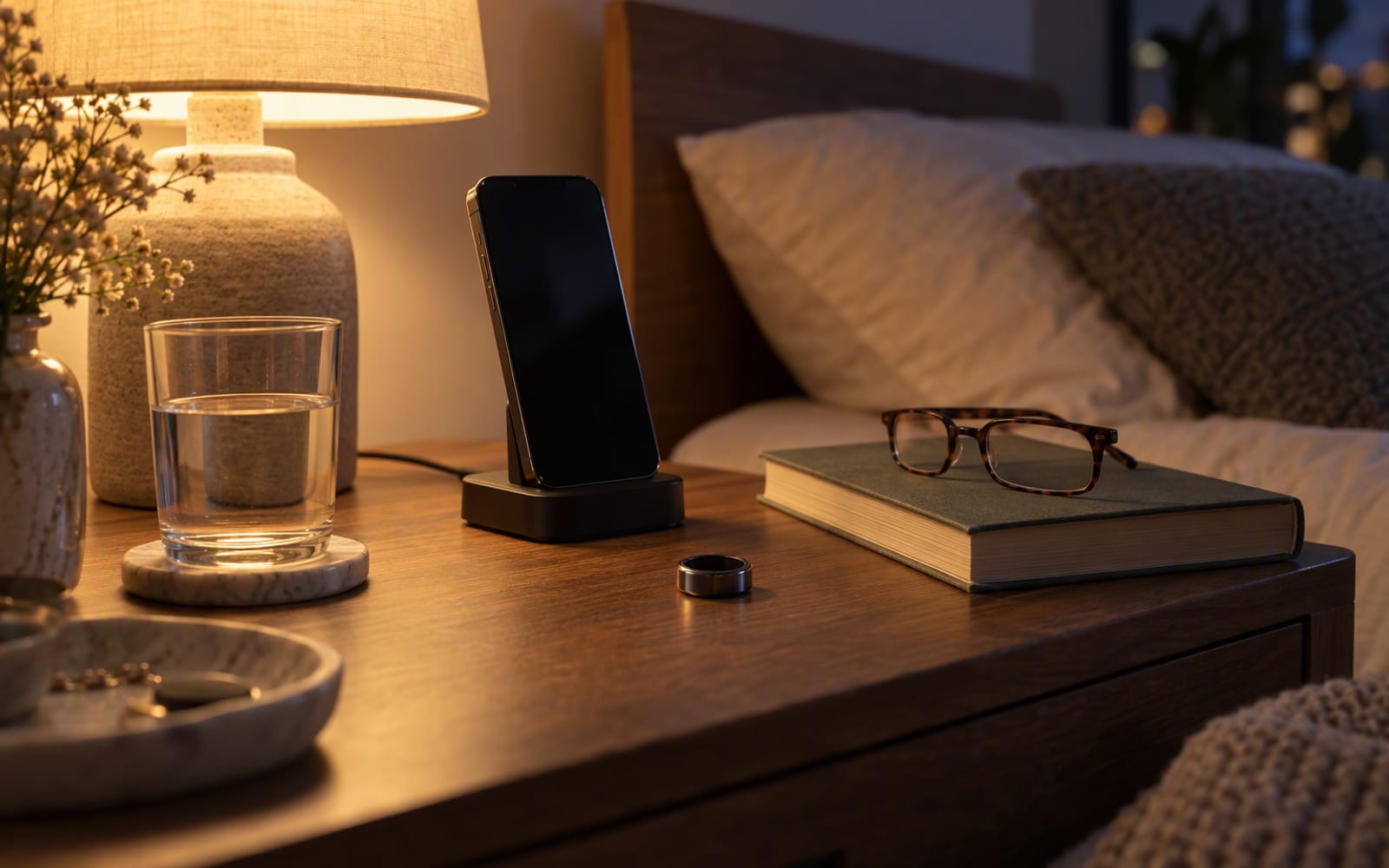
If you have ever taken a watch off in the middle of the night because it was digging into your wrist or catching on the pillow, you already know the argument for a ring. Overnight comfort is not a luxury in this category; it is the feature that decides whether you collect any data at all.
The Oura Ring Gen 3 is the reference for this. It is designed to be forgotten overnight, and its published sleep and readiness data is among the most complete available. What you give up: the membership is required for the meaningful insights rather than optional, the sizing process takes time, and a ring is more fragile than a watch. It is also the wrong device if you want a screen or a time display.
The WHOOP 4.0 takes the same philosophy further: there is no screen at all, which means nothing competes for your attention, and it is comfortable enough to wear continuously. The business model is a mandatory subscription, so the hardware is cheap and the ongoing cost is not. What you give up is any display, any notifications, and the ability to glance at the time — plus the fact that its data is only as useful as your willingness to act on it.
Trackers that show you the data without a membership
The Fitbit Charge 6 is a band rather than a ring, and it is the sensible starting point for most people who want sleep and activity data without committing to a ring or a strap subscription. It is light enough to sleep in, its published battery rating runs for days, and it includes built-in GPS for the days you want to run. The honest caveat is that some of its deeper insights are tied to a subscription — the core data is available without one, but the richer interpretation is not.
The Amazfit GTR 4 is the value option, and it is the one to consider if you want a normal-looking watch that also tracks sleep. Its published battery rating is very long and it covers a wide range of sports modes. What you give up: published health-tracking accuracy trails the leaders, and the app has rough edges. It is not the most precise device here; it is the one with the fewest strings attached.
| Device | Form | Subscription | Overnight comfort | What you give up |
|---|---|---|---|---|
| Fitbit Charge 6 | Band | Some insights paywalled | Comfortable to sleep in | Small screen, deeper insights behind a plan |
| Amazfit GTR 4 | Watch | None required | Wearable overnight | Health accuracy trails leaders, rough app |
| Oura Ring Gen 3 | Ring | Required for insights | Designed to be forgotten | Fragile, no screen, sizing takes time |
| WHOOP 4.0 | Screenless strap | Mandatory | Comfortable 24/7 | No display at all, data needs acting on |
The point that matters more than the device
Here is the uncomfortable truth of this category: the device is the easy part. A sleep tracker will show you a chart. It will not make you go to bed earlier, keep your room dark, stop scrolling at midnight, or hold a consistent wake time on your days off.
The people who get value from sleep tracking are the ones who use the trend line to change one habit and then check whether the trend moved. The people who get nothing from it are the ones who read the score every morning, feel briefly judged, and change nothing. No subscription tier fixes that.
A second rule of thumb: buy the cheapest device that will measure what you care about, use it for a month to change one thing, and only then decide whether you need more. Buying a premium tracker before you have acted on the basic data is paying for a chart you will not read.
When you should not buy anything
If you have a persistent sleep problem, a consumer tracker is not the answer. These devices are for personal awareness, not for medical use, and they cannot tell you what is wrong or what to do about it. Speak to a clinician about anything that is ongoing or affecting your health.
If you already wear a watch that tracks sleep and you are ignoring its data, a new device will not help. And if your sleep is fine and you simply want to know the numbers, a band that costs a fraction of a ring-and-membership setup will give you most of what you would actually use.
Prices and subscription terms change frequently — confirm the current cost and exactly which features are included before you buy, because in this category the small print is the purchase decision.
Our picks
These are the models we would shortlist for the scenarios in this article. Each entry shows the published specification highlights, what the product is genuinely good at, and what you give up.
Fitbit Charge 6
Fitbit
A band rather than a watch, which is the point — it is light enough to wear overnight without noticing. Best for people who want health data without a screen competing for attention.
What it does well
- Comfortable enough to sleep in
- Accurate step and heart rate data
- Week-long battery
What to accept
- Some insights need a subscription
- Small screen limits interaction
- App ecosystem has narrowed
Best for: Sleep tracking · Everyday step goals · People who dislike watches
Published specs: Slim fitness tracker with colour display; Continuous heart rate and sleep tracking; Built-in GPS; Multi-day published battery rating.
Last checked: 2026-09-30
Amazfit GTR 4
Amazfit
Looks like a conventional watch, lasts like a fitness tracker, and costs less than either. The health data is good rather than exceptional, and that is the honest trade.
What it does well
- Very long battery life
- Classic looks with modern features
- Strong value
What to accept
- Health tracking accuracy trails the leaders
- App has rough edges
- No ecosystem lock-in perks
Best for: Android users · Two-week battery needs · Classic watch styling
Published specs: Round AMOLED smartwatch; Long published battery rating; Dual-band GPS; Wide sports mode coverage.
Last checked: 2026-09-30
Oura Ring Gen 3
Oura
A ring is genuinely more comfortable to sleep in than a watch, and the sleep data is among the best available. The subscription is not optional, so factor in the ongoing cost before deciding.
What it does well
- Comfortable enough to forget overnight
- Strong sleep and readiness data
- Discreet appearance
What to accept
- Mandatory subscription for meaningful data
- Sizing kit process takes time
- Fragile compared with a watch
Best for: Sleep focus · People who dislike wrist devices · Recovery tracking
Published specs: Smart ring with sleep and recovery tracking; Continuous temperature and heart rate sensing; Multi-day published battery rating; Requires a paid membership for full insights.
Last checked: 2026-09-30
WHOOP 4.0
WHOOP
No screen at all, which is the point: it never competes for your attention, and it is comfortable enough to forget. The business model is a subscription, so the hardware is cheap and the ongoing cost is not.
What it does well
- Comfortable enough to wear 24/7
- No screen to distract you
- Strong recovery and strain analytics
What to accept
- Subscription is mandatory and ongoing
- No display for time or notifications
- Data is only as useful as your willingness to act on it
Best for: Recovery focus · Athletes who dislike watches · Sleep and strain data
Published specs: Screenless wrist strap with continuous sensors; Recovery, strain and sleep scoring; Subscription-based access to insights; Water resistant for swimming.
Last checked: 2026-09-30
Frequently asked questions
Can a sleep tracker diagnose a sleep problem?
No. Consumer sleep trackers are not medical devices, and the sleep stages and scores they show are estimates derived from sensor signals rather than clinical measurements. They are intended for personal awareness — spotting patterns in your own routine — not for diagnosis or treatment. If you have a persistent sleep problem, speak to a clinician rather than buying a device.
Are subscriptions really necessary for sleep tracking?
For some devices, yes, and for others no. A ring or a screenless strap may require a paid membership to unlock the insights that make the data useful, while a band or a watch may show its core sleep data without one. The hardware price is only the first cost. Work out the device plus the membership across the years you expect to keep it before you decide.
Is a ring more accurate than a watch?
A ring is usually the more comfortable option overnight, and comfort is what decides whether you collect any data at all. On accuracy, published specifications vary by model and none of them can be verified outside a test lab, so treat the comparison with caution. What is fair to say is that a ring is designed to be forgotten overnight, which is a genuine advantage over a watch you might take off.
What should I actually do with the data?
Change one thing and watch the trend. A tracker will show you a chart; it will not make you go to bed earlier or keep a consistent wake time. The people who get value use the trend line to test a single habit and then check whether the trend moved. Reading the score every morning and changing nothing is the most common way to waste the money.
Related
Wearables
Best Smartwatches for Runners Under $300
Choosing a running watch under $300 is about GPS accuracy and battery endurance, not the flagship spec sheet. Here is how to pick, and what to skip.
Wearables
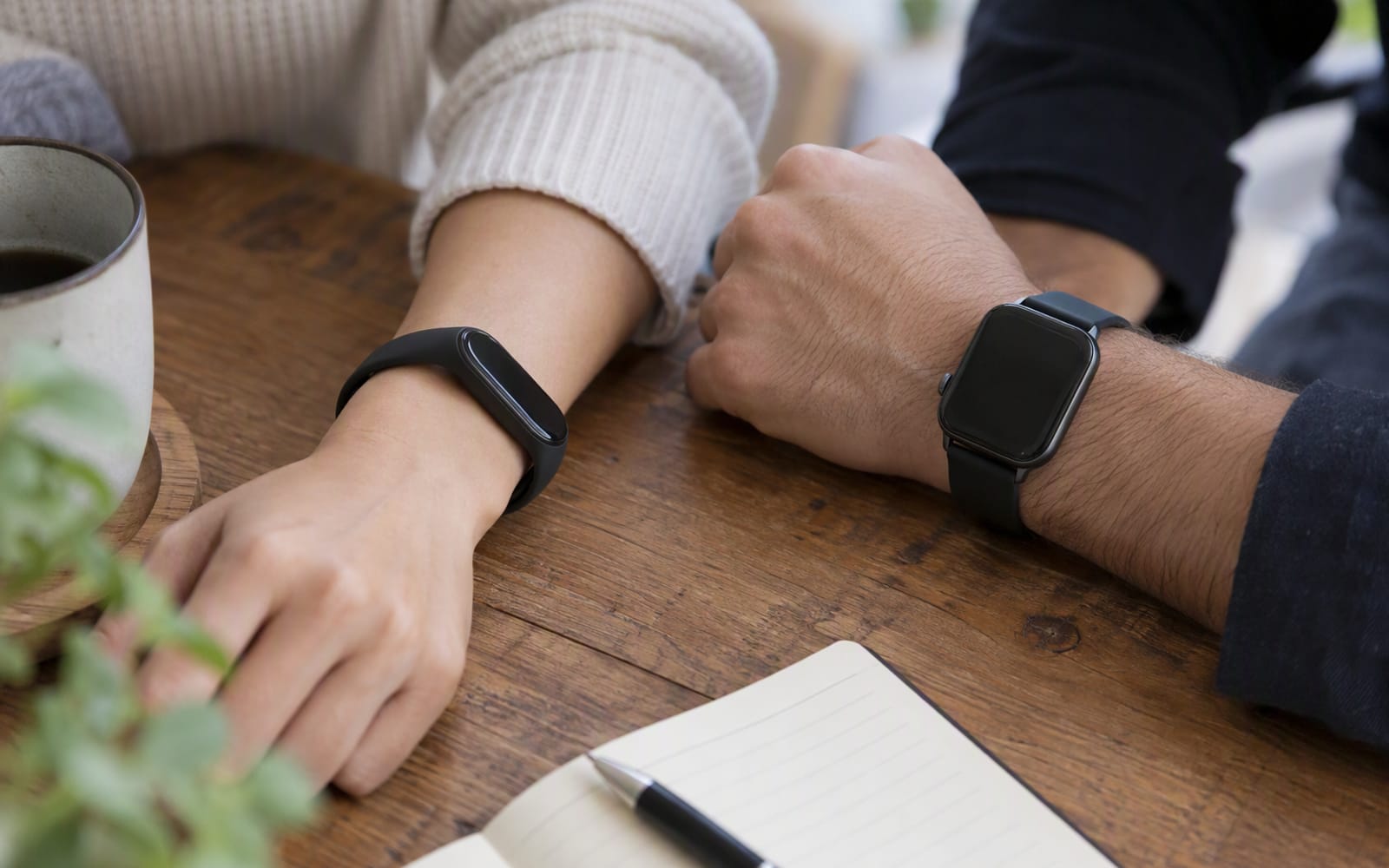
Fitness Trackers vs Smartwatches: Which Fits Your Routine?
A band you forget you are wearing or a watch you charge every night? Here is how to decide between a fitness tracker and a smartwatch, and who keeps wearing what.

Audio
Best Noise-Cancelling Headphones for Open-Plan Offices
Open-plan offices are the hardest listening environment there is. Here is how to choose noise-cancelling headphones for a shared desk, and which models we would shortlist.